Pageant national costume: how to choose and present your story
By Charles · Published 2026-11-28T09:00:00+08:00 · Updated 2026-11-28T09:00:00+08:00
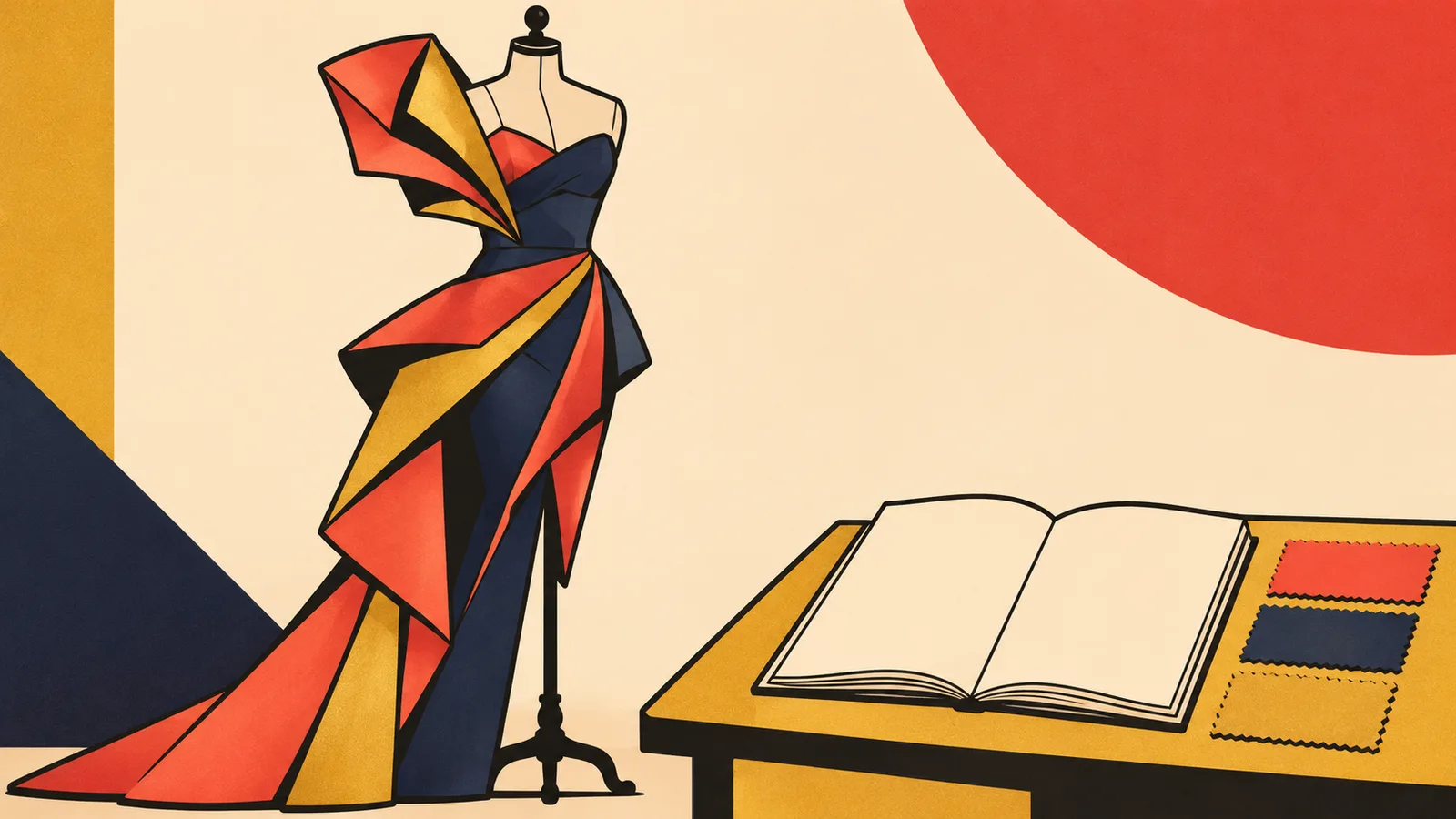
Choose a pageant national costume by starting with a story you can explain accurately, checking your event's instructions and discussing culturally specific elements with the people connected to them. Present it in a design you can wear and move in safely, with clear credit to the people and traditions that informed it.
Read the pageant judging criteria guide, then ask your organiser what applies to your own event and round. You can also submit a profile on Ganda.
Key facts checked 28 November 2026
- A UP Diliman thesis issued in 2025 examined Miss Philippines national costumes at Miss Universe from 2018 to 2024. Its abstract identifies concepts ranging from mythology to modern icons and discusses the risk of generalized cultural representation.
- The Philippine Information Agency reported on 24 November 2026 that the designer of one contemporary Cordillera-inspired costume consulted cultural experts and sought NCIP approval. This is one design's process, not a rule for every costume.
- In that PIA report, a cultural heritage advocate distinguished traditional attire from contemporary designs inspired by Indigenous culture.
What should you ask your pageant organiser first?
Ask for the current instructions for your event, division and national costume round before commissioning or borrowing anything. Confirm what the event means by the theme, whether a concept description is requested, and whether the organiser needs to review the design in advance.
Also ask about the stage route, access to stairs or ramps, available preparation space, assistance, accessories and any limits on size, materials or props. If you have a question about an accommodation or a planned element, ask the organiser directly. Do not assume another pageant's rules or judging weights apply to yours.
How do you choose a concept you can explain?
Begin with a specific place, craft, story or experience that you have a meaningful reason to represent. Write a short concept note in plain language: what is the idea, where does it come from, and how does each major design choice relate to it? Check names and descriptions with reliable sources and people who know the subject.
A pageant costume can be a contemporary creation rather than a reproduction of traditional dress. Say which it is. Avoid combining symbols from different communities into a generic image of a single culture. If you cannot explain an element or establish whether it is appropriate to use, leave it out while you seek guidance.
The UP study's findings concern the entries it examined, not every pageant. Its observation about generalized representations is a useful prompt to check whether your own description names the particular source of an idea rather than treating diverse communities as interchangeable.
How can you work respectfully with a community or maker?
When a design draws on an Indigenous community's living heritage, approach the relevant community representatives and makers early, before the design is fixed. Explain the event, audience, proposed materials and how images of the costume may be shared. Listen to what they say about meaning, context and boundaries; ask who should be involved and whether a proposed use is appropriate.
Do not reproduce sacred designs or assume a public photo gives permission to copy an element. Communities differ, so do not treat one consultation or approval process as a universal rule. If an element should not be used, change the design. Discuss attribution, payment, timing and use of photographs with the people involved, and agree on the details before work begins.
In the 2026 example reported by PIA, the design team consulted cultural experts and worked with weavers on a contemporary interpretation. The reported steps are a useful example of collaboration, not a promise that the same steps settle every community's concerns.
How do you check the costume for the stage?
Try the complete costume, including planned footwear, headpiece and permitted accessories, before the event. Ask the maker or owner how each part is secured, put on and removed. Check your view, breathing, balance and ability to hear instructions. Test fastenings without forcing them, and ask for adjustments if something shifts or catches.
Practise the actual route if the organiser allows it. Walk, pause, turn and exit; try stairs or ramps only with appropriate assistance. Agree on who will help with any large or detachable pieces and when they may enter the stage area. Stop if you feel pain or unsafe, and revise a design that prevents you from moving with control.
Work backward from the event date with the maker: agree on fittings, completion, transport and any return or care responsibilities. Your evening gown may have different requirements; see the pageant gown guide.
How should you present the story?
Match your presentation to the organiser's instructions. If a written or spoken description is requested, name the concept, identify the specific inspiration and credit the people who made or advised on the costume where agreed. Describe a contemporary interpretation as such, and avoid claiming to speak for an entire community.
Rehearse your explanation alongside the walk. Keep it clear enough to say naturally, and check names and pronunciation with the people concerned. If the organiser supplies a script, review it for accuracy before the event. The goal is to let the audience understand your chosen story without inventing a meaning for an attractive detail.
When you are ready, submit a profile on Ganda and check the national costume instructions with your event organiser.
Frequently asked questions
Does a pageant national costume have to be traditional attire?
Not necessarily. Ask your organiser for the event's instructions. A contemporary pageant creation inspired by a tradition should be described as an interpretation, not presented as the traditional attire itself.
How do I choose a national costume concept?
Start with a story you can explain accurately, confirm it fits the event's instructions, and consult people connected to the culture or craft before finalising the design.
Can I use an Indigenous design in my costume?
Do not assume a design is available for public use. Speak with relevant community representatives and makers about its meaning and boundaries, and do not reproduce sacred designs.
What should I practise before presenting the costume?
Rehearse entering, walking, turning and exiting in the complete costume, including footwear and any permitted accessories, and stop if you feel unsafe or in pain.